 John Myers
- Home
- modular homes
- October 12, 2025
- 0 Comments
 John Myers
The Modular Home Market: Trends, Growth, and Future Opportunities
Modular homes were once viewed as simple alternatives to traditional construction. Today, they stand as serious competitors in the housing market. With rising costs, environmental concerns, and evolving lifestyles, modular housing has earned recognition for its flexibility and long-term value. The market is no longer niche. It is expanding and reshaping how people think about residential living. For more information, visit www.uamr.de/fertighaus/.
Current Trends Driving Demand
One of the strongest trends in modular homes is the emphasis on efficiency. Factories produce sections under controlled conditions, ensuring consistent quality. This method reduces waste and shortens construction timelines. At the same time, demand for eco-friendly housing has made energy-efficient materials and systems standard in many modular designs. The ability to combine speed with sustainability keeps modular housing aligned with modern expectations.
Growth in Urban and Suburban Areas
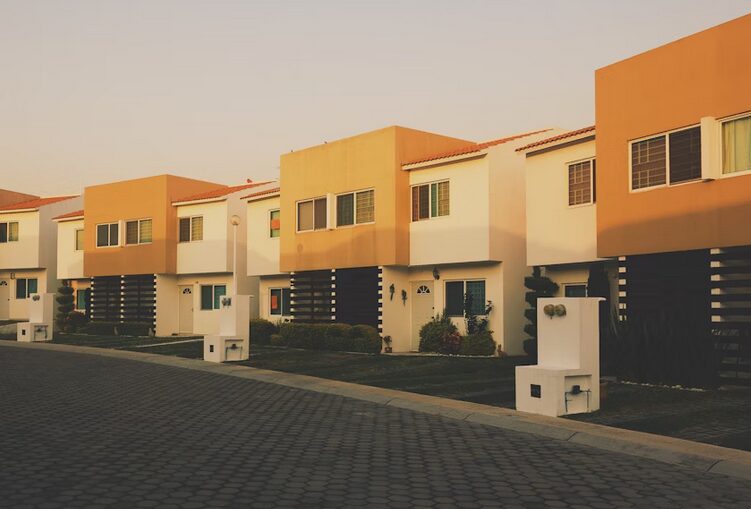
Urban areas with limited space are turning to modular solutions as a practical way to expand housing supply. The controlled build process allows homes to be placed quickly in locations where demand is high. Suburban buyers also appreciate the predictability of modular construction, where fewer delays mean families can move in sooner. This dual growth across cities and suburbs highlights the market’s wide appeal.
Investment and Market Confidence
Investors are paying attention to the modular housing sector. Rising housing shortages and the need for sustainable solutions make it an attractive space for growth. Companies are scaling up factories, increasing output, and refining logistics. This momentum signals confidence in the industry’s future. Market research shows consistent year-over-year expansion, reinforcing that modular homes are not a passing trend but a durable market force.
Technology’s Role in Expansion
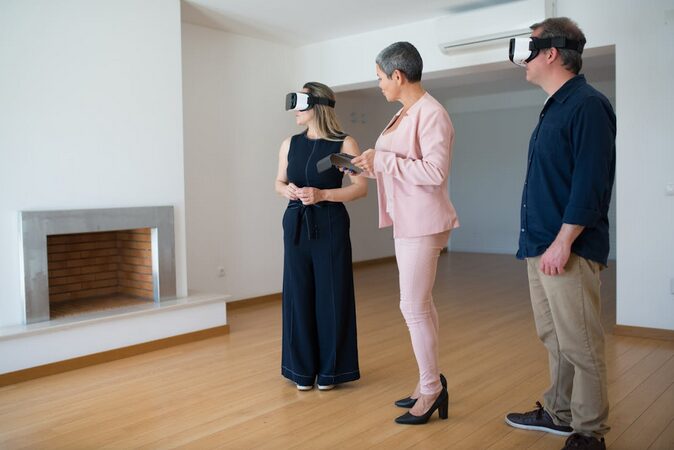
Digital tools have given modular housing a major boost. Software now allows precise modeling, making it easier to adapt designs to customer needs. Virtual reality lets buyers walk through …