
The Smart Home Features People Wish They Had Installed Sooner
Most homeowners can point to one purchase and say, “Why didn’t I do this years ago?” WESTDEUTSCHE ZEITUNG explores how digital innovation is shaping modern homes, and it’s easy to see why practical smart features are becoming favorites instead of passing trends. The biggest surprises turn out to be those simple upgrades.
Smart Lighting That Always Gets the Timing Right
Walking into a dark house with grocery bags in both hands gets old fast. Smart lighting removes that everyday annoyance by turning lights on automatically when you arrive or by following a schedule that matches your routine. You stop thinking about switches because the system handles them for you. It feels natural after only a few days.
The convenience goes beyond the front door. Motion-activated lights brighten hallways during late-night trips to the kitchen without waking the entire household. Dimmable settings also create a relaxing atmosphere for movie nights or quiet evenings. Once people experience that flexibility, many wonder why they waited so long to make the change.
Smart Thermostats That Keep Bills Under Control
Heating and cooling costs often climb without anyone noticing until the monthly bill arrives. A smart thermostat adjusts temperatures automatically, helping reduce unnecessary energy use while keeping rooms comfortable throughout the day. Instead of constantly reaching for the controls, the system works in the background. It’s like having an extra set of hands managing your comfort.
Busy schedules also become easier to handle. If everyone leaves home earlier than expected, the thermostat can reduce heating or cooling until someone returns. That simple adjustment helps avoid wasting energy for an empty house. Homeowners often say they appreciate the savings just as much as the convenience.
Video Doorbells That Make Daily Life Less Stressful
Missing a package or wondering who’s at the front door can interrupt your …
Why Some Backyards Feel Like Resorts
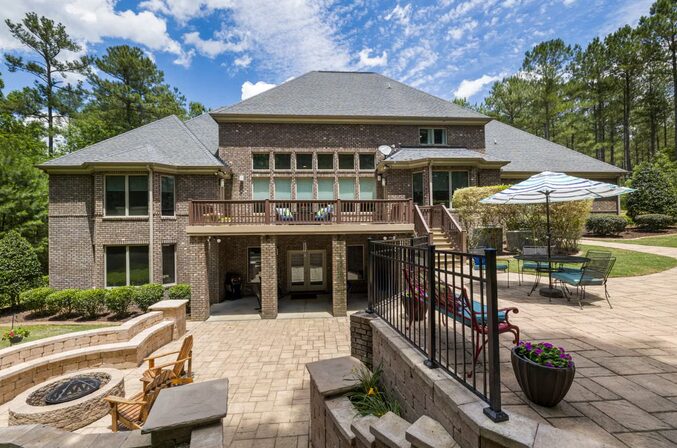
There is something undeniably appealing about stepping into a backyard that instantly feels like a luxury resort. The combination of lush greenery, carefully selected materials, inviting seating areas, and calming water features creates an atmosphere that encourages relaxation and escape. While these spaces may appear effortless, they are the result of thoughtful planning and intentional design choices. The good news is that achieving this level of comfort does not always require an enormous budget or a massive property. Instead, it comes down to understanding how different elements work together to create an environment that feels welcoming, balanced, and luxurious.
The Foundation of Great Outdoor Design
Every resort-inspired backyard begins with a strong design plan. Rather than adding features one by one without direction, successful outdoor spaces are built around a cohesive vision. Homeowners often consider how they want to use the space before making any major decisions, whether for entertaining guests, relaxing with family, or enjoying quiet moments alone. Learning about planning strategies through resources such as haus-garten-test.de/ratgeber/ratgeber-haus/poolbau-im-eigenheim-kosten-planung-und-die-cleversten-standort-loesungen/ can provide valuable insight into choosing layouts and features that complement both the property and lifestyle. A well-planned foundation ensures every addition contributes to the overall atmosphere instead of competing for attention.
Landscaping That Creates a Sense of Escape
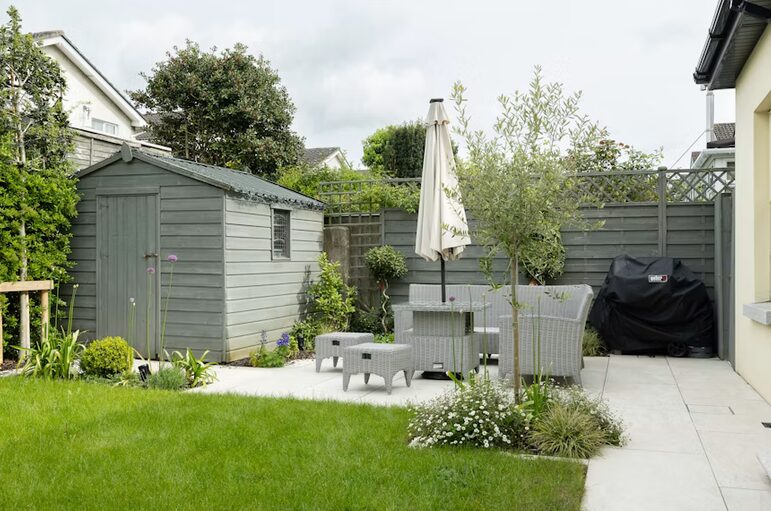
Plants play an essential role in transforming an ordinary backyard into a peaceful retreat. Layered landscaping adds texture, color, and privacy while softening architectural features. Tall trees can provide natural shade, flowering shrubs introduce seasonal interest, and ornamental grasses create gentle movement in the breeze. Resort-style landscapes often rely on a mix of evergreen plants and vibrant accents to maintain visual appeal throughout the year. Carefully selected greenery also helps reduce noise, making the backyard feel more secluded and relaxing. Selected greenery also helps reduce noise, making the backyard feel more secluded and …
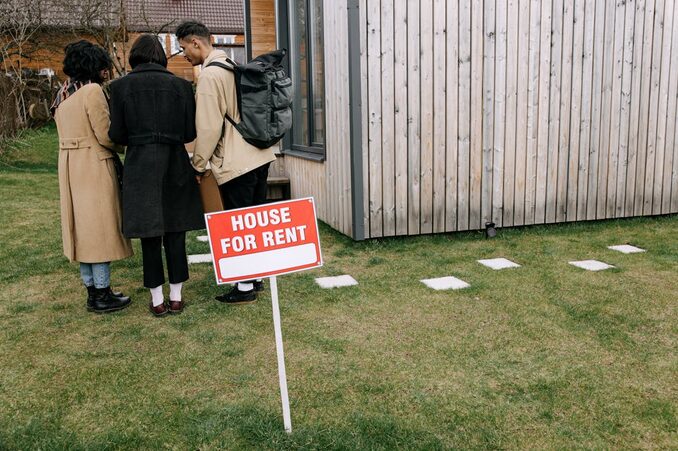
The Role of High-Speed Internet in Creating Smart Homes for Renters
Renters today expect more than just a functional apartment—they want convenience, comfort, and control at their fingertips. Smart home technology delivers on these expectations, offering automated lighting, climate control, and security features. However, none of these systems can function without a fast and reliable internet connection. High-speed internet is the backbone of a connected home, enabling devices to communicate seamlessly and ensuring tenants can enjoy the full benefits of modern living.
Understanding Why High-Speed Internet Matters for Smart Homes
A strong internet connection is the foundation for all smart home devices. Without it, smart thermostats, cameras, and lighting systems may lag or fail to respond properly. High-speed connectivity ensures that multiple devices can operate simultaneously, supporting smooth video streaming, remote work, and real-time device management. For tenants, reliable internet transforms a house or apartment into a home that adapts to their lifestyle rather than forcing them to adjust to outdated technology.
Installing Smart Devices That Depend on Connectivity
Smart homes rely on connected devices to enhance daily life. Voice assistants, automated lights, intelligent appliances, and security systems all need a stable internet connection to function properly. Even small delays can disrupt routines, making smart technology feel more like a hassle than a help. High-speed internet keeps all devices responsive, ensuring that controlling your home—from anywhere—remains seamless and effortless.
Understanding How to Set up a Connected Home
Renters who are new to smart home technology often want to learn more about how to optimize their internet and devices. This can include tips on router placement, bandwidth allocation, and connecting multiple devices securely. By taking a little time to educate themselves, tenants can avoid slowdowns, prevent frustration, and ensure every smart device works smoothly. This approach helps create a living space that is both connected and convenient.