
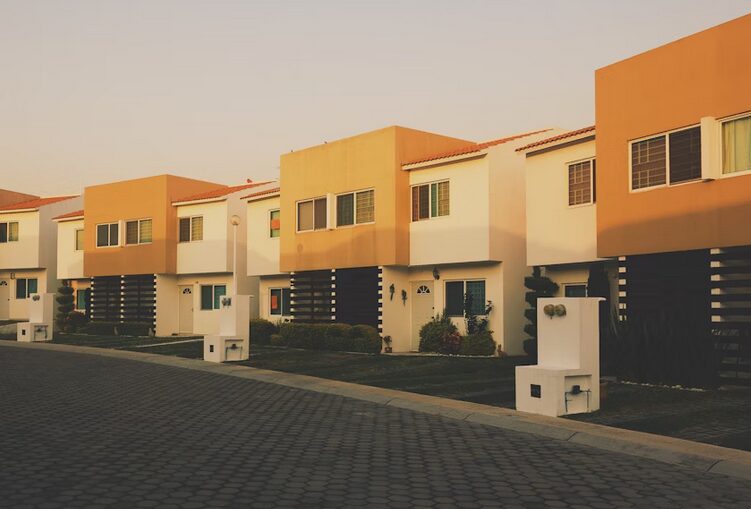
The Modular Home Market: Trends, Growth, and Future Opportunities
Modular homes were once viewed as simple alternatives to traditional construction. Today, they stand as serious competitors in the housing market. With rising costs, environmental concerns, and evolving lifestyles, modular housing has earned recognition for its flexibility and long-term value. The market is no longer niche. It is expanding and reshaping how people think about residential living. For more information, visit www.uamr.de/fertighaus/.
Current Trends Driving Demand
One of the strongest trends in modular homes is the emphasis on efficiency. Factories produce sections under controlled conditions, ensuring consistent quality. This method reduces waste and shortens construction timelines. At the same time, demand for eco-friendly housing has made energy-efficient materials and systems standard in many modular designs. The ability to combine speed with sustainability keeps modular housing aligned with modern expectations.
Growth in Urban and Suburban Areas
Urban areas with limited space are turning to modular solutions as a practical way to expand housing supply. The controlled build process allows homes to be placed quickly in locations where demand is high. Suburban buyers also appreciate the predictability of modular construction, where fewer delays mean families can move in sooner. This dual growth across cities and suburbs highlights the market’s wide appeal.
Investment and Market Confidence
Investors are paying attention to the modular housing sector. Rising housing shortages and the need for sustainable solutions make it an attractive space for growth. Companies are scaling up factories, increasing output, and refining logistics. This momentum signals confidence in the industry’s future. Market research shows consistent year-over-year expansion, reinforcing that modular homes are not a passing trend but a durable market force.
Technology’s Role in Expansion
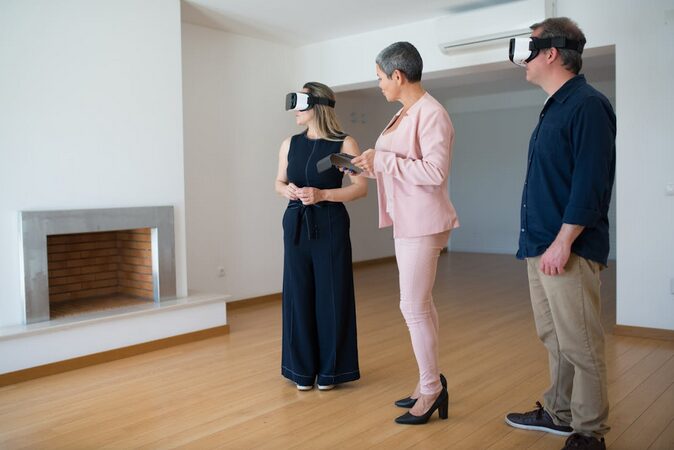
Digital tools have given modular housing a major boost. Software now allows precise modeling, making it easier to adapt designs to customer needs. Virtual reality lets buyers walk through layouts before the first piece is built. Smart technology integration also ensures homes are prepared for future living. With these advances, modular housing goes beyond convenience. It offers unique opportunities for customization that rival traditional methods.
Affordability Challenges
Affordability remains a pressing issue in housing worldwide. Modular construction helps address this problem without sacrificing quality. Reduced labor costs, fewer delays, and controlled material use bring prices down. For many families, this makes homeownership attainable. Governments are also exploring modular housing as part of affordable housing programs. By keeping construction efficient, modular homes provide solutions where traditional methods fall short.
Opportunities in Global Markets
The modular housing market is not limited to one region. Demand is increasing across Europe, Asia, and North America. Each region has its own drivers, from urban density to disaster recovery needs. International interest creates opportunities for collaboration and innovation. Exporting modular systems and adapting them to diverse environments reflects the industry’s flexibility. The ability to grow globally ensures long-term prospects remain strong.
Future Outlook for Modular Homes
The future of modular housing rests on continued innovation and adaptation. With utmost attention to sustainability, design, and affordability, the industry will remain relevant. Advanced manufacturing methods promise even faster builds. Greater integration of renewable energy will strengthen environmental benefits. Buyers will also expect higher levels of customization. These developments point to a future where modular homes are not seen as alternatives but as standard housing choices.
The modular home market has transformed from a niche option into a growing, global industry. Trends like sustainability, customization, and digital integration fuel its progress. Growth in both urban and suburban settings proves its adaptability. Opportunities for investors, governments, and homeowners continue to expand. Modular housing demonstrates that efficiency and innovation can shape the future of residential living. It is a market set not only to grow but to redefine what modern housing looks like in the years ahead.