
Essential Considerations for Planning the Perfect Patio
Designing a patio is more than laying down pavers or picking furniture—it’s about creating an inviting outdoor haven to help you relax, get entertained, and enjoy fresh air. Whether you’re beginning from scratch or upgrading an existing space, elevating your backyard with premium patio pieces can make the difference between a dull corner and a welcoming extension of your home. To help you get the most out of your investment, here are sessential considerations to keep in mind before diving into your patio project.
Define Your Purpose
Before buying materials or planning layouts, ask yourself: What is the main purpose of this patio? Do you want it to serve as an outdoor dining area, a quiet reading nook, or a lively entertainment space? Defining your primary goal will help shape every decision afterward, from selecting the right furniture to deciding on the shape and size of the patio. For example, a patio designed for family gatherings may require a large dining table and built-in seating, while a private retreat might focus on cozy chairs and potted plants.
Choose the Right Location
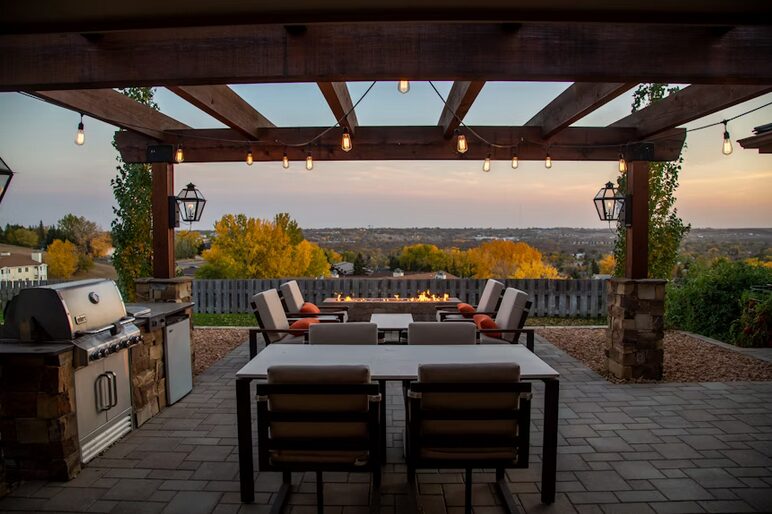
The placement of your patio is crucial. Think about factors like sunlight, wind direction, and proximity to the kitchen or living room. A patio that gets harsh afternoon sun might benefit from pergolas, umbrellas, or climbing plants for shade. On the other hand, if your yard is prone to windy conditions, you may want to position the patio closer to the house or use fencing as a natural barrier. Considering these elements early prevents future discomfort.
Prioritize Size and Layout
A cramped patio can feel frustrating, while one that’s too large may look empty or uninviting. The size of your patio should correspond to both the size of your yard and your intended use. For dining spaces, allow enough room for a table, chairs, and clearance for easy movement. For relaxation zones, think about sectional seating, lounge chairs, or even a fire pit area. Sketching out potential layouts or using design apps can help you visualize the flow before construction begins.
Pick Materials That Match Your Lifestyle
The materials you select set the tone for your patio’s style and determine its durability. Natural stone creates a timeless, elegant feel, while concrete pavers offer versatility at a lower cost. Wooden decking can give warmth but may require regular maintenance to avoid damage from moisture or pests. Consider both aesthetics and upkeep: if you prefer low-maintenance living, go for materials that are easy to clean and weather-resistant.
Think About Comfort and Shade
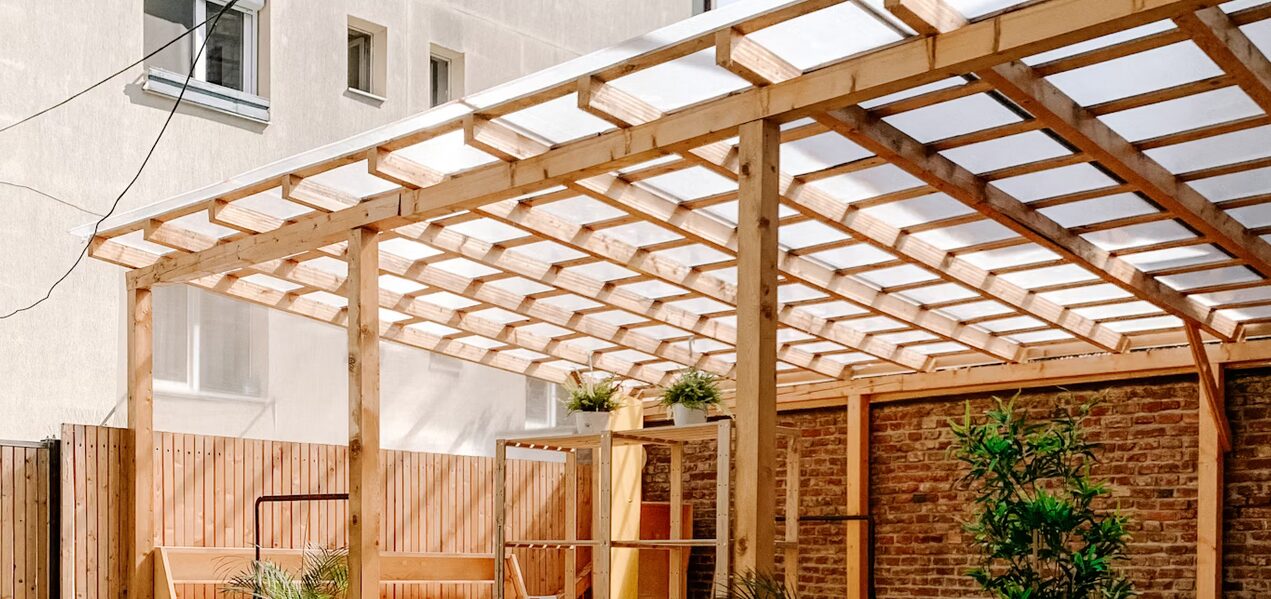
A patio isn’t just about looks—it should be functional and comfortable year-round. Incorporating shade solutions such as pergolas, retractable awnings, or large patio umbrellas can make a huge difference during hot summer days. Adding outdoor rugs, cushions, and cozy lighting further enhances comfort, allowing you to enjoy your space both during the day and at night. Plants can also provide natural shade and beauty, turning your patio into a lush oasis.
Plan for Lighting and Ambiance
Lighting is usually overlooked but plays a huge role in how you experience your patio. String lights can add charm, solar-powered lamps are eco-friendly, and lanterns bring warmth to evening gatherings. For a more practical approach, path lights can guide guests safely while spotlights can highlight landscaping or architectural features. Combining functional and decorative lighting makes your patio usable at all hours while creating a mood that suits your lifestyle.
Budget Wisely
A beautiful patio doesn’t have to break the bank, but thoughtful budgeting is essential. Decide which features are most important to you—furniture, materials, landscaping, or shade structures—and allocate funds accordingly. It’s also wise to set aside a little extra for unexpected costs that may come up during installation. By planning carefully, you can balance quality with affordability while still achieving the outdoor sanctuary you envision.
Planning the perfect patio involves much more than picking a spot and laying down stones. By carefully considering your purpose, location, size, materials, comfort, lighting, and budget, you’ll be setting yourself up for a functional and inviting space that elevates your outdoor living. Taking the time to think through these factors will allow you to enjoy a patio that is both stylish and practical, turning your backyard into a personal retreat for years to come.