
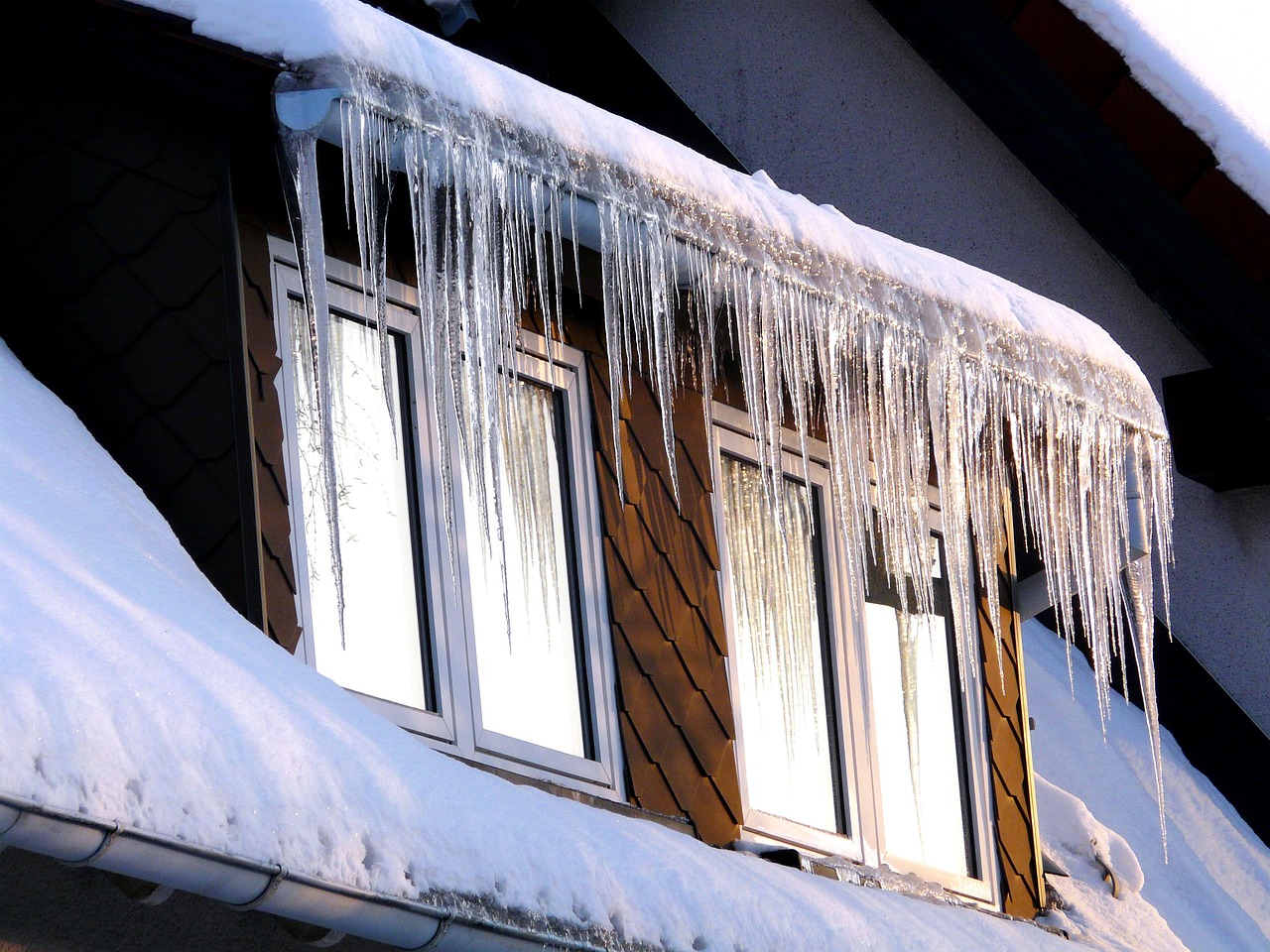
Snowy Climates and Roof Designs: Understanding the Basics
Welcome to a winter wonderland of knowledge. As snowflakes dance gracefully from the sky and blanket our surroundings in a pristine white, it’s time to dive into the captivating world of snowy climates and their impact on roof designs. Whether you’re an architecture enthusiast or a homeowner seeking insights for your own abode, this blog post is here to unravel the mysteries behind building sturdy roofs that can withstand the whims of Mother Nature’s icy embrace.
Pitch and Slope

The pitch or slope of a roof is a fundamental consideration in snowy climates. Roofs with steeper pitches allow snow to shed more efficiently, reducing the risk of accumulation. A pitch of at least 6:12 is often recommended for areas with heavy snowfall. Steeper slopes also discourage the formation of ice dams, a common issue in colder regions. Most roofing twin cities mn experts will be able to advise you on the best pitch for your specific location.
Structural Support
Snow can exert significant weight on a roof, especially during prolonged periods of heavy snowfall. Ensuring adequate structural support is crucial in preventing roof collapse. Consult with a structural engineer to determine the load-bearing capacity of your roof and make necessary reinforcements, such as using stronger materials or adding additional supports.
Ventilation Systems
Proper ventilation is essential in snowy climates to prevent the formation of ice dams and control moisture levels in the attic. Ice dams happen when snow melts and then refreezes at the eaves, creating a barricade that can lead to water infiltration. Adequate ventilation, including soffit and ridge vents, helps maintain a consistent roof temperature, preventing ice dam formation and ensuring proper attic moisture control.
Quality Insulation
Quality insulation is a key element in roof designs for snowy climates. It not only helps in retaining heat within the …

Understanding Top Causes of Pool Tile Damage and the Troubleshooting Tips
If we talk about our beautiful swimming pools, where serene blue waters meet the challenges of wear and tear, we can’t deny that they’ll get damaged over time. As a proud pool owner, you know that keeping your oasis in pristine condition requires constant attention and care.
One crucial aspect to monitor is the health of your pool tiles – those beautiful accents that add style and character to your aquatic haven. The question is, what do really cause pool tile damage? But most importantly, how do we troubleshoot them to keep your pool tiles looking their best for years to come?
Chemical Imbalance

Maintaining the perfect swimming pool environment means maintaining a chemical balance. Unfortunately, according to experts from https://calciumkiller.com/, an imbalance can wreak havoc on your pool tiles and lead to unsightly damage. One common issue is pH levels that are either too acidic or too alkaline.
High acidity can cause the grout between the tiles to deteriorate over time, making them more susceptible to cracking or falling off altogether. On the other hand, excessive alkalinity can result in mineral buildup and discoloration of the tiles. Chlorine levels also play a significant role in maintaining tile health. While chlorine is necessary for sanitization purposes, excessive amounts can be detrimental. Over-chlorinated water may cause fading or even bleaching of your beautiful tile surfaces.
Abrasive Pool Cleaners
Let me tell you, your pool cleaners might not be good for your pool. Let me explain. Some cleaners can actually cause damage to the tiles in your pool if used incorrectly. In fact, one common cause of tile damage is abrasive pool cleaners. These types of cleaners use brushes or scrubbers with rough bristles that can scratch and wear down the surface of your tiles over time. While abrasive cleaners may …
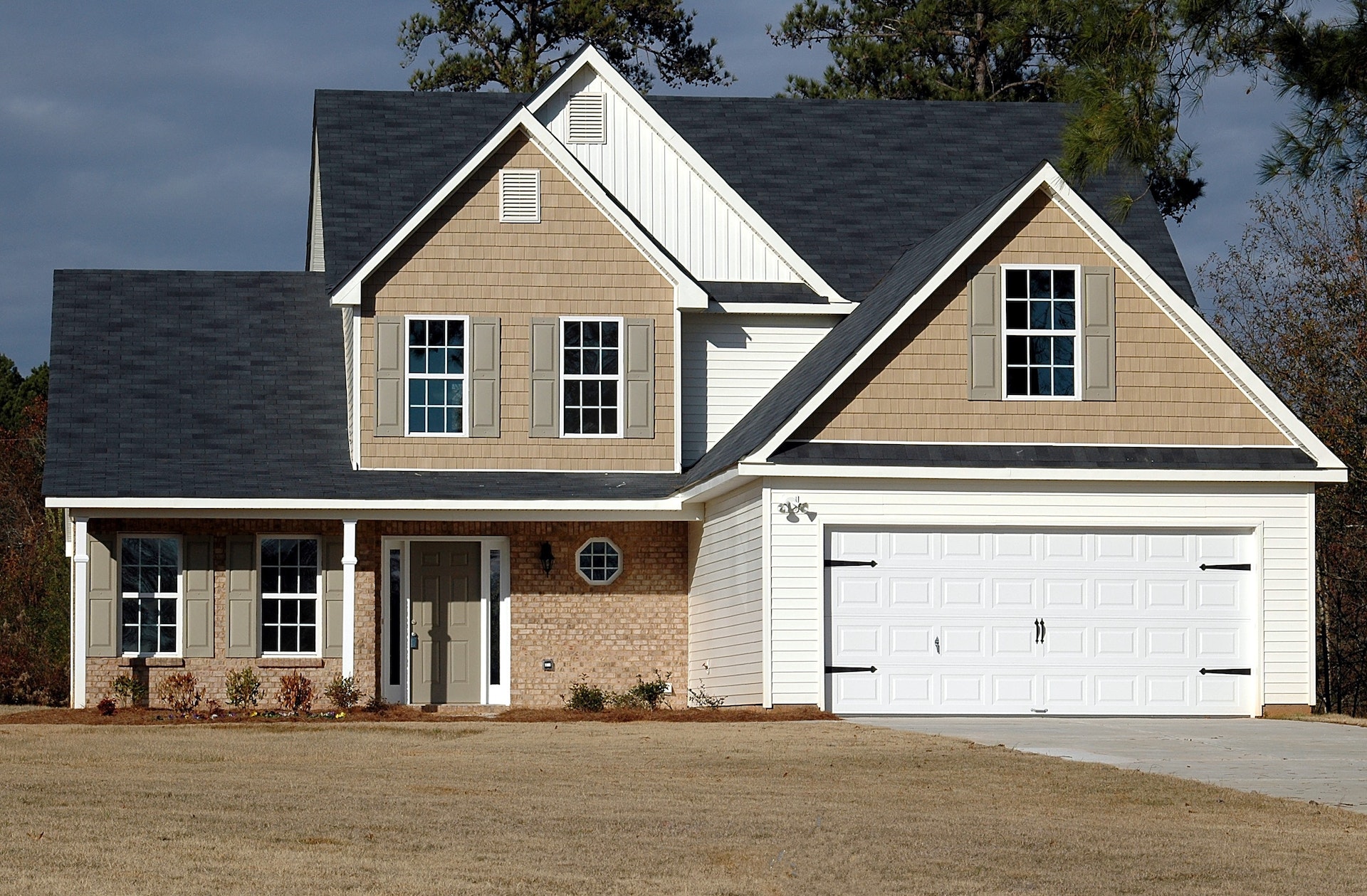
Different Ways to Increase Your Home’s Value
Welcome to our blog post dedicated to helping you increase the value of your home. Whether you’re planning on selling or want to make some improvements for your own enjoyment, we’ve got you covered. In this article, we’ll explore different ways that can boost the value of your home and make it more appealing to potential buyers. From outdoor lighting to kitchen renovations, enhancing curb appeal, and upgrading bathrooms, there are plenty of options available. Now, let’s dive in and discover how you can transform your humble abode into a valuable asset.
Outdoor Lighting
Outdoor lighting is known to have a significant impact on the overall look and feel of your home. It not only enhances safety and security but also adds an aesthetic appeal that can make your property stand out from the rest. One option for outdoor lighting is to install pathway lights along walkways, driveways, and garden paths. These fixtures not only provide practical illumination but also create a welcoming ambiance as they guide visitors to your front door.
Another way to elevate your outdoor space is by adding landscape lighting. By strategically placing lights around trees, shrubs, or architectural features, you can highlight the beauty of your landscaping even after the sun sets. Smart Outdoor Lighting has been quite popular among many homeowners. If you’d like to add one to your home, working with outdoor lighting experts is important.
Remodel the Kitchen
 Remodeling the kitchen is one of the most effective ways to increase your home’s value. Not only does a renovated kitchen enhance the overall aesthetics of your home, but it also adds functionality and appeal for potential buyers. When remodeling your kitchen, consider updating the countertops with durable and visually appealing materials such as granite or quartz.
These materials not only look sleek but …

The Role of an Architect in Home Construction: What to Expect
Building your dream home is an exciting endeavor, and having a skilled architect by your side can transform your vision into a tangible reality. But what exactly is the role of an architect in home construction, and what should you expect when collaborating with one? In this article, we’ll shed light on the pivotal role architects play in the home construction process, providing you with a clear understanding of what to anticipate. For more information, visit www.tc.de/benoetigt-man-beim-hausbau-einen-architekten.html.
Visionaries of Design

Architects are the visionaries of the construction world. They are experts in turning your ideas and dreams into concrete plans. When you engage an architect for your home construction project, expect them to:
- Listen attentively to your needs, preferences, and ideas.
- Translate your vision into architectural designs that are both functional and aesthetically pleasing.
- Create detailed blueprints and schematics that outline the layout, structure, and dimensions of your future home.
Navigators of Regulations
Home construction often involves navigating a complex web of building codes, zoning regulations, and permits. Architects serve as your guides through this regulatory maze by:
- Ensuring that your project complies with local building codes and regulations.
- Facilitating the acquisition of necessary permits and approvals.
- Collaborating with local authorities to resolve any compliance issues that may arise.
Project Managers Extraordinaire
An architect’s role extends beyond the drawing board. They also act as proficient project managers who:
- Assist in selecting qualified contractors and builders.
- Oversee the construction process to ensure it aligns with the approved plans and timelines.
- Handle unforeseen issues that may arise during construction, providing solutions that maintain the project’s integrity.
Artisans of Aesthetics

Architects understand that your home is not just a structure; it’s a reflection of your taste and style. They will:
- Work with you to select materials, finishes, and architectural details that
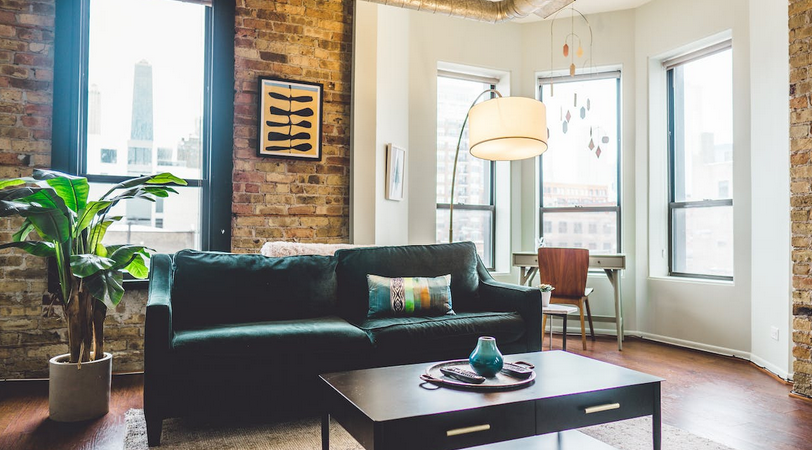
Must-Try Interior Upgrades to Transform Your Apartment Into a Relaxing Sanctuary
This year, it’s time to say goodbye to your dull and uninspiring apartment. Indeed, your living space, though it might never be like the home of the royal family, should be your sanctuary, where you can de-stress and recharge after a long day at work.
Luckily, giving your apartment an interior upgrade doesn’t have to break the bank or require major renovations. With a few simple changes, you can transform your space into a relaxing oasis you’ll never want to leave. In today’s post, we’ll share our must-try tips for upgrading your apartment’s interior and creating the perfect environment for ultimate relaxation.
Let There Be a Lot of Natural Lighting
When transforming your apartment into a relaxing sanctuary, there is nothing more effective than letting in as much natural light as possible. Natural lighting instantly brightens up a room, making it feel more spacious and inviting. Plus, exposure to natural light has been shown to improve mood and mental well-being.
To max out the amount of natural light that enters your apartment, start by removing any heavy or dark drapes that may be blocking your windows. Instead, opt for sheer curtains or blinds that let sunlight filter through while still providing privacy.
Purify and Scent the Air
 Living in an apartment can sometimes mean dealing with stale or unpleasant odors. But don’t let that intimidate you from creating a relaxing sanctuary! There are plenty of ways to purify and scent the air to create a fresh atmosphere.
So what you can try is to incorporate houseplants and scented candles into your decor. They will add a touch of greenery and purify the air naturally by clearing toxins and releasing oxygen at the same time. Some plants, such as snake plants and peace lilies, are particularly effective at improving indoor …